Karen Cirillo is a programmer and content consultant specializing in non-fiction film and video. She is the founder and programmer of Doxita, a traveling festival of short documentaries, and was shorts programmer for the True/False Film Festival. She has programmed and advised for Silverdocs, IFP, Human Rights Watch, Margaret Mead Film Festival, Duke University Screen Society, the Aurora Picture Show and Full Frame. She worked at UNICEF for 12 years in program communications, serving as the Executive Producer of Children's Broadcasting Initiatives. She also was the global coordinator of the OneMintuesJr. initiative and conducted video workshops with young people in 25 countries around the world.
The DocLab section of the IDFA is a key event for digital creation, in the broadest sense of the term, and returns this year with a new program of excellence, and a professional Forum showcasing future projects in the sector. Caspar Sonnen, programmer since 2007, talks to us about this essential event.
Karen Cirillo – So let’s start with the theme: This Is Not a Simulation.
Caspar Sonnen – DocLab is turning 18 this year, which is a reality check and a great provocation to look around and explore the relationship between art and technology. Technology has allowed us to create unbelievable and truly personalized versions of reality. But having digital access to everything everywhere at once has taken reality out of context, obscuring our perceptions and making it harder to connect with things that we don’t want to see.
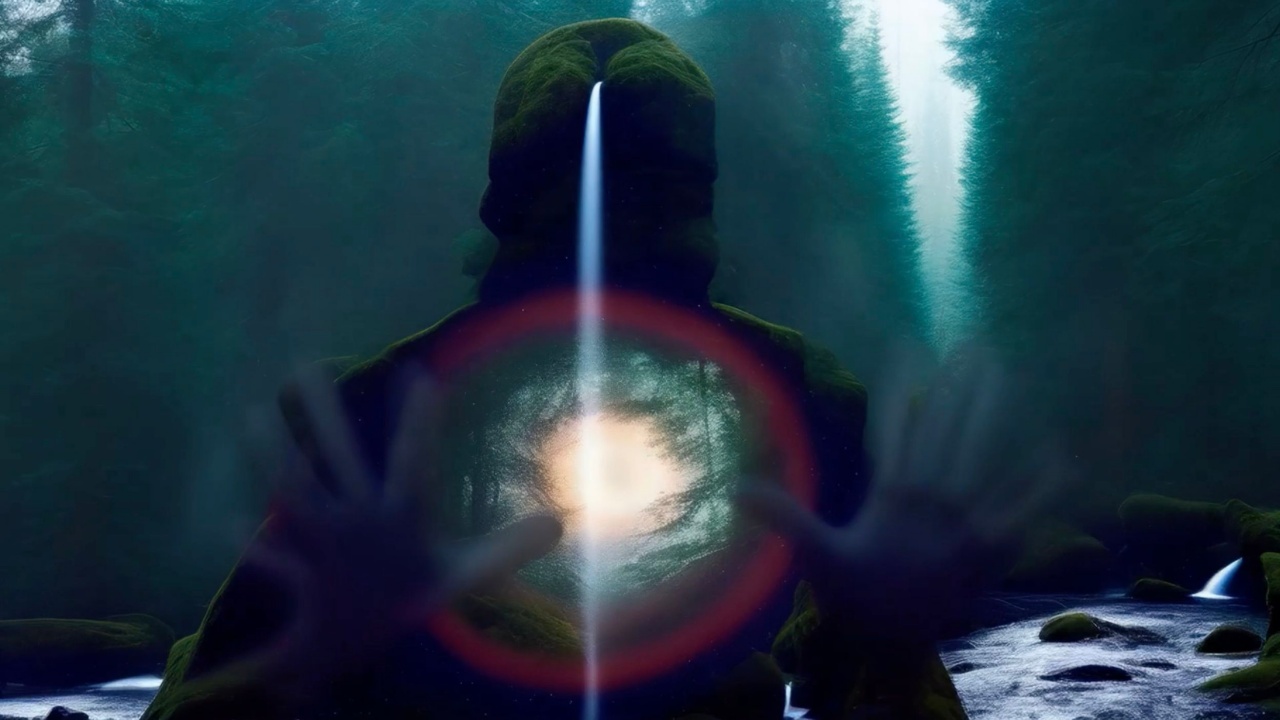
Over the years new media, AI and VR have enabled us to step into astonishing new worlds, so much so that some people seriously believe reality might actually be a simulation itself. Something to play with, disrupt and walk away from if we don’t like it anymore.
But for everyone else, reality is not a game, It is not something we can walk away from. Reality is a shared experience, and in many ways, it is that collective experience of reality that feels increasingly broken.
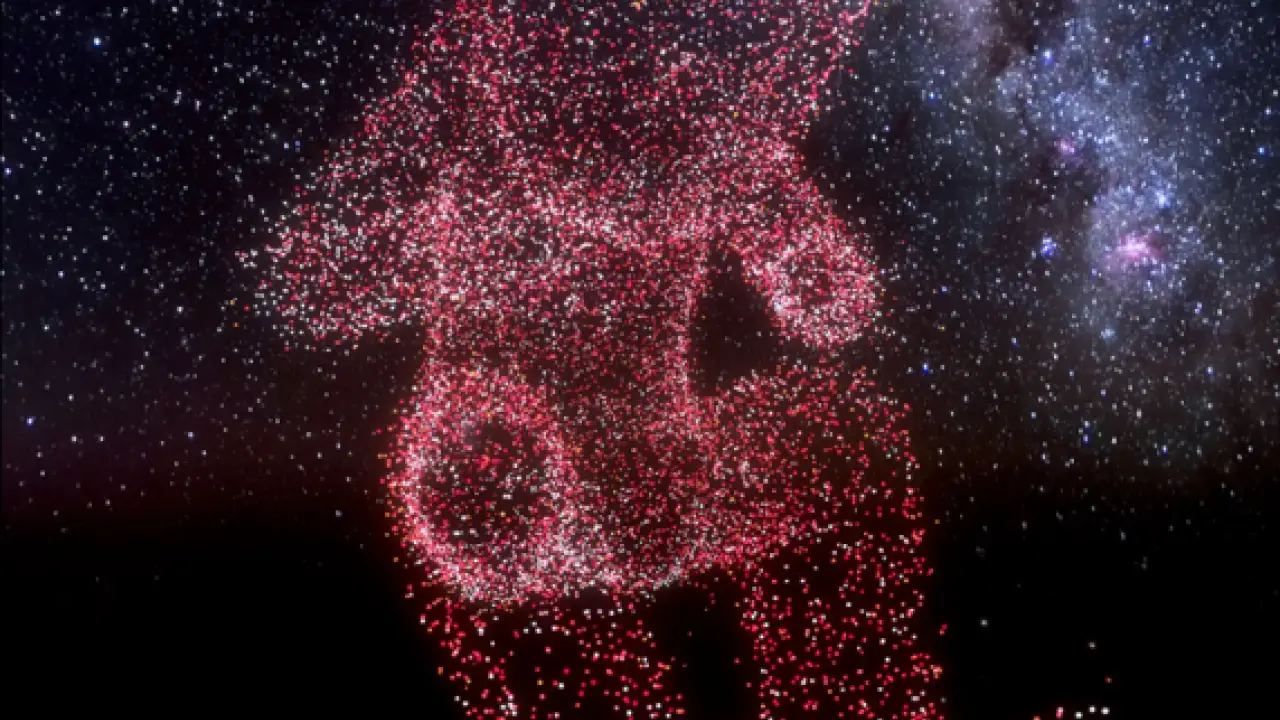
Perinatal Dreaming. Understanding Country, by Marianne Wobcke / Big Anxiety Research Centre, Volker Kuchelmeister, Lucia Barrera
The Alternate Realities programme at this year’s just-concluded Sheffield DocFest is pared back, featuring a VR competition, an exhibition and summit in collaboration with the International Documentary Association (IDA). I spoke with Artistic Director Raul Niño Zambrano and co-curators Abby Sun and Keisha Knight about the vision and thoughts behind this year’s immersive experience and its spirit of collaboration.
Raul Niño Zambrano – With Alternate Realities, it has always been a thing asking how do we define it and what do we want? For us, it’s important to see it as an extension. Just as we do for films, we are not looking for one specific type or style. Our responsibility is to show the whole spectrum. We pick up what we think is really worth highlighting. And I think that’s happening also in the XR field, their possibilities are endless. You see how an installation starts as virtual reality, but then becomes an installation, or the other way around. We’re looking at the intersection of art, technology and documentary, and trying to give a message – What are all these pieces saying all together?
For this year’s Alternate Realities programme, you are collaborating with IDA and the programme is co-curated by Keisha Knight and Abby Sun.
Raul – Yes, everything started because of Experimental Realities, a workshop they did in the USA asking a group of emerging artists about the future of immersive. When we talked, we thought it resonated a lot and was a good match.
One of the big questions was how do we see immersive media in the future? What does immersive really mean? Of course it has to do with technology and media, but what happened when we tried to distance a bit from that, we found that you come more to embodiment and to the senses and to haptic. I also felt that that was resonating with our film program; our tagline this year is Reflections on Realities.
Making documentary films and nurturing an ecosystem is not easy for most filmmakers, but in Belarus and Georgia, filmmakers encounter hurdles outside of the usual production/funding/distribution challenges.
Both countries have a growing documentary filmmaking communities and a mostly self-made industry infrastructure. Challenging political situations on the ground and increasingly restricted arts environments have closed screening venues, discouraged the use of public spaces and limited support to only «approved» topics.
As is often the case in countries facing challenges with freedom of expression, filmmakers are moved to make films about political and social issues. But the same society and environment they’re exploring makes it increasingly difficult to create and show those films. Both Belarus and Georgia are struggling with the tightening of civil society, diminishing funding, and straining democracy (along with protests in response). As countries on the periphery of the EU (and with Georgia on the EU accession path), issues of democracy are front and centre.
In this context, CPH:DOX piloted the DOX:EXCHANGE programme to foster conversations and share knowledge between film organisations in the two countries – CinéDOC-Tbilisi (Georgia) and Northern Lights Nordic-Baltic Film Festival (Belarus) – and the Danish festival. Funded by the New Democracy Fund, the programme was intended to strengthen the landscape of civil society participation and facilitate democratic dialogue through film.
Phenomenal friction. When the New Media team at IDFA came up with this title, they knew it would reflect a recognition of tensions around the world, but the team had no idea that it would land in the midst of a war and public outcries that stirred up the festival, leading to several filmmakers – including immersive makers – pulling their work from showcase.
Phenomenal friction, as described by Caspar Sonnen, head of New Media, reflects a landscape where emerging technologies are changing how we see the world around us, but also one where we are still encountering and challenging each other’s identities and mindsets in the physical space.
This year’s DocLab and immersive exhibition brought together over 30 pieces from the most diverse set of artists and makers thus far, allowing the audience to encounter worlds not just different from their own, but also created by those living in the other worlds.
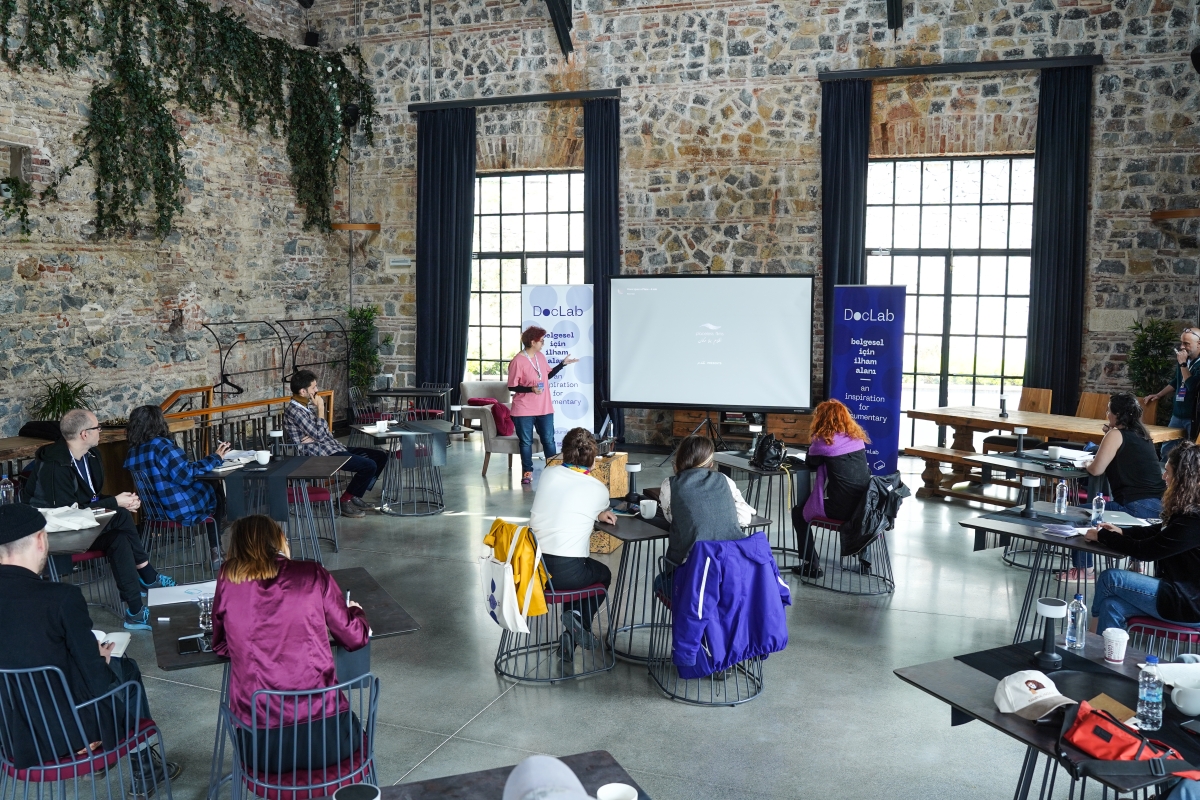
Like other languages, filmmaking is one that is learned but also raised in historical, societal, and cultural patterns. As Augusto Boal posits in his book Theatre of the Oppressed, “By learning a language, a person acquires a new way of knowing reality and of passing that knowledge on to others.” In May 2023, Kundura DocLab brought together documentary theater- and filmmakers from Turkey and surrounding countries to explore the intersections of the two practices and encourage new languages.
Connecting Documentary Theater and Documentary Film
An initiative of Beykoz Kundura, an arts and cultural center in Istanbul, the DocLab’s first edition invited ten artists, half in each practice, for a one-week intensive workshop and creative incubator at the center’s campus in Beykoz. The program was designed as a mix of practical training sessions, project sharing, and personal exercises and exploration.
Anthropology has used both film and theater as tools to conduct and visualize research, and so it is fitting that documentary film can take inspiration from theater and vice versa. In the DocLab’s service region, which includes Turkey, Lebanon, Israel, Iran, Georgia, and Romania, strong storytelling language and creativity exist, in addition to histories of conflict, political challenges, and claims for freedom. How do filmmakers preserve their own narratives and creativity when many of the opportunities for funding or distribution expect certain subjects or styles?
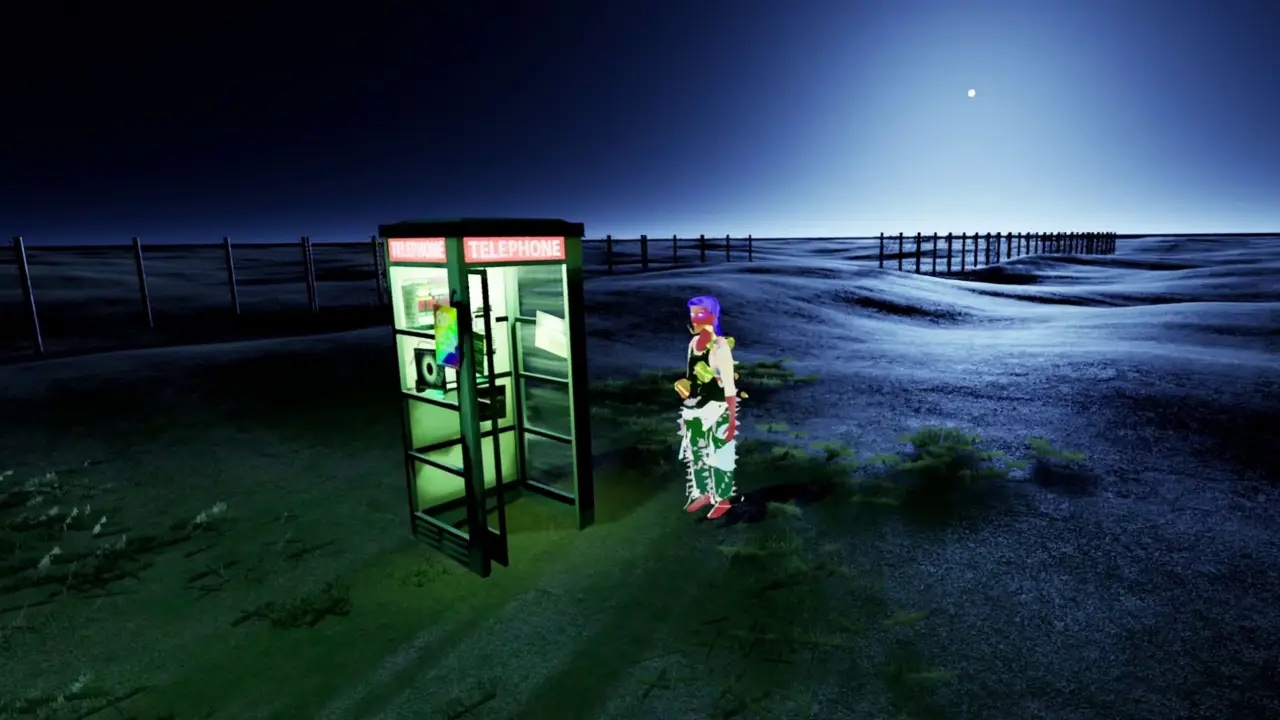
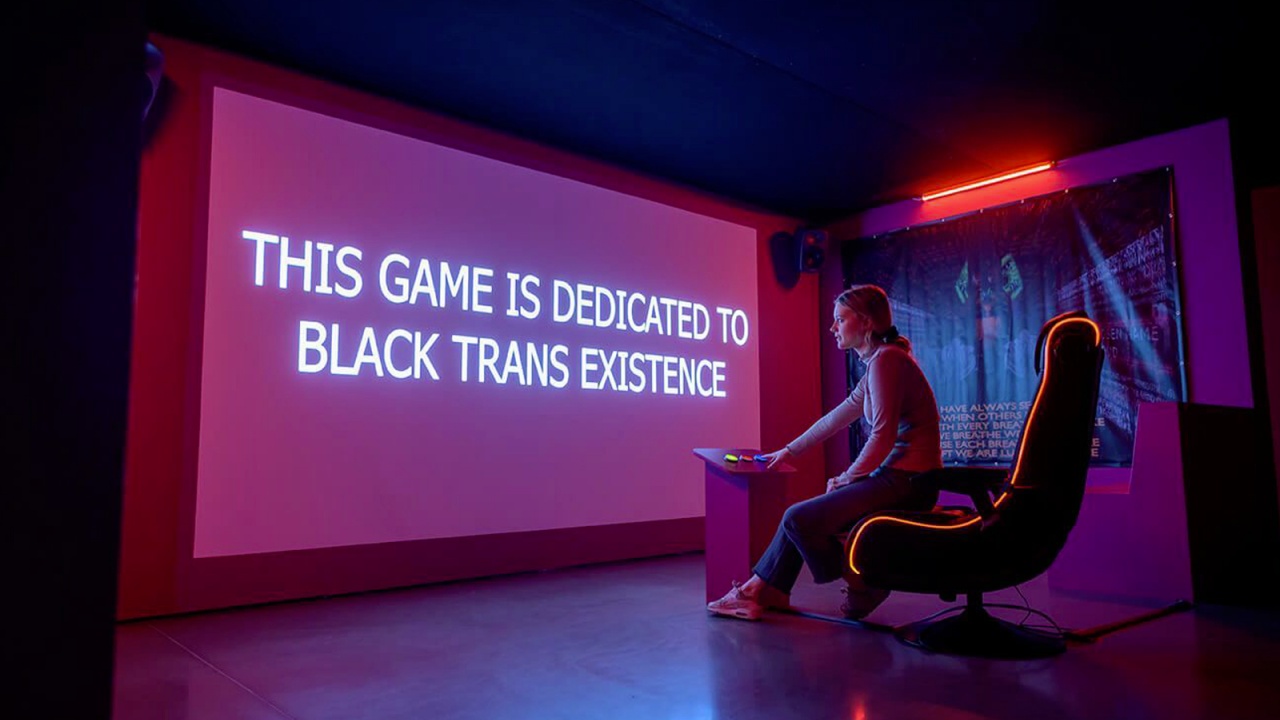
An AI-generated trans drag show, a dystopian game about digital “security” and an almost pornographic immersive VR piece about gay saunas in Taiwan. These were some of the pieces at the recent CPH:DOX interactive program, where vulnerability and marginalized narratives emerged as a theme.
There were experiments with the latest technologies, like using Minecraft to catalog and release invisible archives from behind the walls of authoritative regimes. But three of the narrative pieces that had the most power to channel vulnerability and bring the viewer in a “dialogue” with other voices were actually the pieces leaning more old-school in their technologies.
HE FUCKED THE GIRL OUT OF ME, Blacktransarchive.com/WE ARE HERE BECAUSE OF THOSE THAT ARE NOT and AS MINE EXACTLY were three pieces that use older technologies and in-the-room interactivity to engage on one-on-one levels.
Stories, exposure, education, networks, funding: Around the world, these things are not a given, nor are they easy to access.
In Turkey, the cultural and political context has made it difficult for documentary filmmakers to survive as working artists, despite their energy and interest. In a country with such a strong history, culture and language, there are many stories to be told. A national preoccupation with politics, however, means that even art is never completely free from responsibility.
Maybe because the world feels so devoid of humanity these days, I found myself falling for quiet films of people who treat others with dignity. In no particular order…
Photo: By Then
By Then Quietly observational, By Then follows a medical driver through the streets of Paris as he picks up and drops off his patients. The “action” takes place almost entirely in the confines of his van, but the gentle soul of the film soars far outside the vehicle. Though the radio speaks about terrorism, political elections and demonstrations, Kofi – at times funny, at times tender – treats everyone with a level of respect not usually seen in such circumstances.
The Raft A fascinating experiment that documents a fascinating experiment. In 1973, 11 people volunteer to take a raft trip across the Atlantic – as a social experiment to study the sociology of violence, aggression and sexual attraction. Over 40 years later, the director recreates that raft in a studio, and invites the surviving members to reunite on it. Combining archival footage from the sea adventure, the anthropologist’s diary entries and the present recollections of the survivors, the result is a deep dive into the weird and sometimes dangerous behavior of humans.
Photo: Distant Barking of Dogs
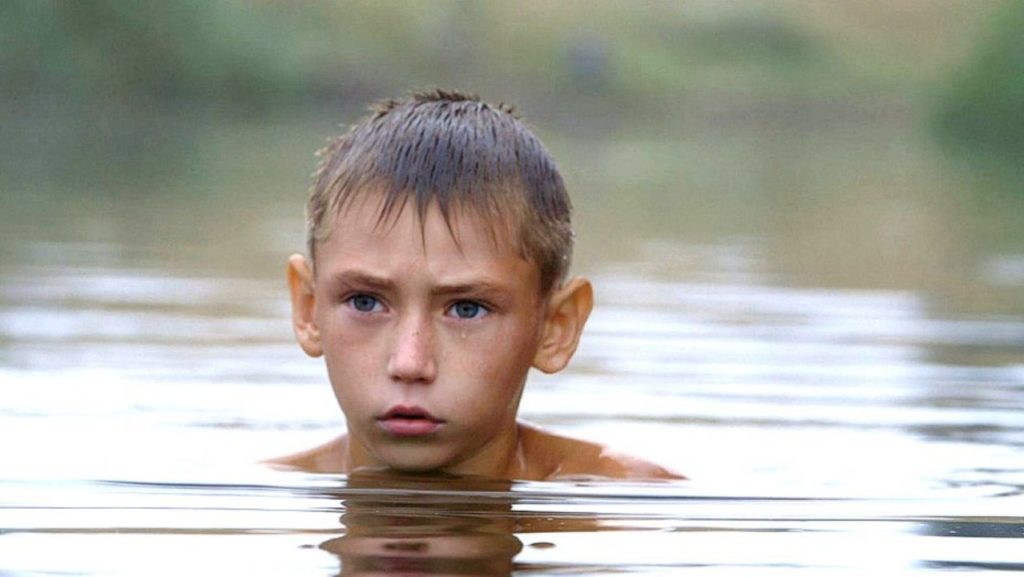
Distant Barking of Dogs Is it worth risking safety to remain where home is? In eastern Ukraine, a boy and his grandmother live day by day on the frontlines of the war, choosing not to displace themselves as so many others in their community have. Oleg grows up amidst bombs and conflict, always in the (not always distant) background, reminding you that the real cost of war is on the individual. But is it worse than losing everything you know?
Next Guardian An intimate family portrait high in the Himalayan mountains, where a brother and sister face the expectations of the older generation as they seek to pursue their own dreams. Gyembo is expected to take over the Buddhist temple overseen by his father and attend monk school, but he just wants to continue English language school. Toshi doesn’t feel like a girl and just wants to be a football player for the national team, which doesn’t fit her family’s idea of how a girl should act. Normal teenage growing pains take on a larger scope in this traditional Bhutanese village.
Movements of a nearby mountain In a remote warehouse in the Austrian alps, a Nigerian self-taught mechanic passes his days selling parts and exporting used cars to his native country. The film observes Cliff’s daily routine with a serenity somewhat incongruous with the work, but fitting for his unhurried daily routine. Yet there is so much “life” happening that we are drawn into his world.
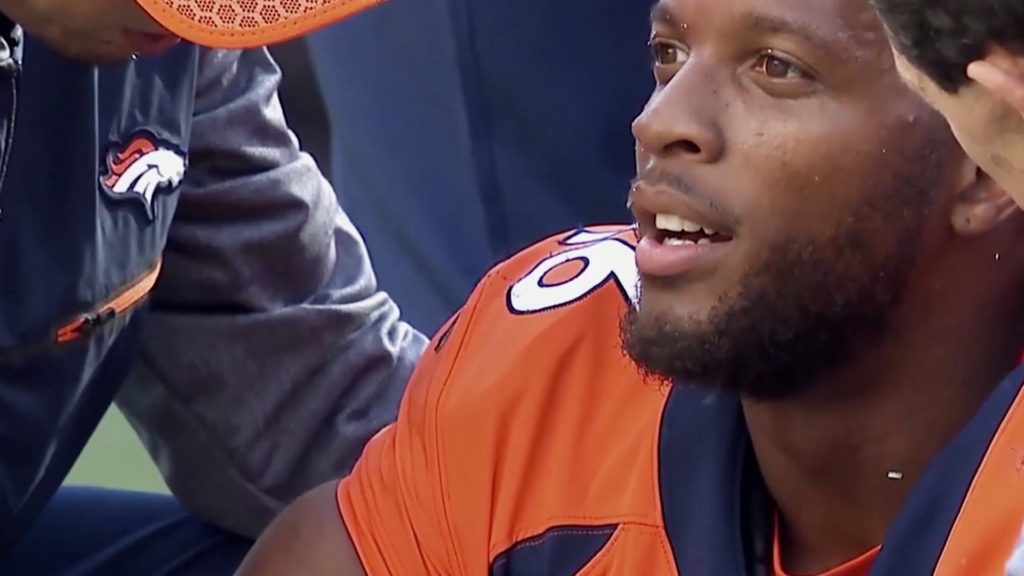
Concussion Protocol I’ve long been a strong supporter of short documentaries. Not as a step-child of the feature, but as equal or even better examples of filmmaking. Concussion Protocol is an example of the latter, where all the politics and activism around the issue of head injuries in American football are distilled into less than 6 minutes. It’s a visceral, powerful six minutes that strips away everything except the bare truth of the pain and suffering.
Won’t you be my neighbor Even if this wasn’t a solidly crafted film (which it is), I couldn’t not love it. Talk about someone who treats others with dignity. I grew up on Mr. Rogers, he formed so much of my early childhood understanding. So watching this was like returning to my childhood, like watching a home movie but with so much more social impact. As a child, you don’t quite understand what you were seeing, so being able to observe the show and see the deliberate decisions behind it really made me appreciate. Sometimes it feels like they are deliberately avoiding the bad (is it really possible that the man’s only drawback was that he worked too much?), but I’ll take it. Especially in this era of where treating people with respect is NOT a given.
Photo: Island of the Hungry Ghosts
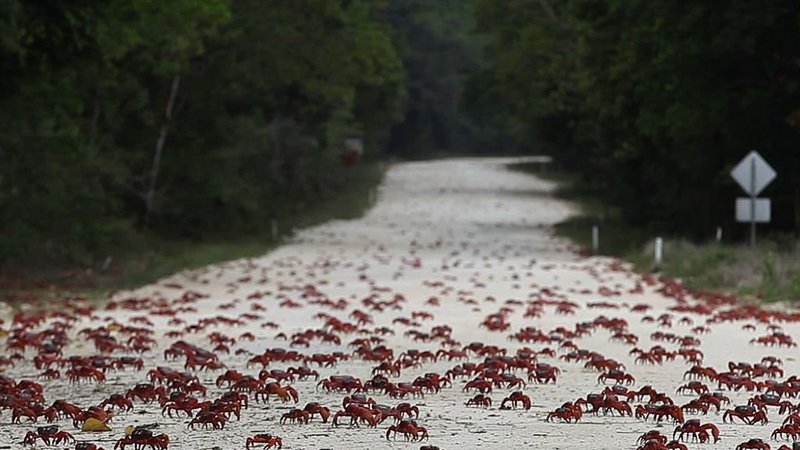
Island of the hungry ghosts The residents of Christmas Island pull out all the stops to protect the red land crabs as they migrate from the jungle to the sea. But in this stylized film, the treatment of the crabs is juxtaposed with therapy treatments of human migrants who have found their way to this island, experiencing almost as much trauma here as where they’ve come from. The stories are gutting, as is the inside look at how the detention center operates with a level of inhumanity that is designed to keep people away.
America Sometimes a film touches you with its humanity, and for me, this was one such case. Another instance of caring for the elderly, but this time it’s family. Three brothers in Mexico move in together to take care of their grandmother after their father is jailed for negligence. The tenderness with which they care for her, especially in less-then-pleasant situations is admirable, but the humanity also arises from the pain they experience in their relationships with each other. I have some ethical issues with filming someone who clearly is not able to give their permission, especially in intimate scenes of nudity. But appreciate that they also didn’t shy away from showing the less admirable sides of all involved.
P.S. – I define #cinelove as “to fall in love with a film in that way where it captures your heart through its beauty & humanity.”
What did I know about Roma? Like many people, my assumptions came from films. Beautiful ones, like the documentaries Toto and his Sisters and Spartacus and Cassandra. Both films take you into a world of Roma through adolescents and those trying to help them move out of their stifling situation. These stories show Roma as poor and “gypsies”, who live among drug use and petty crime or wear colorful clothes and perform in circuses.
When we started to think about making a virtual reality film about Roma, it was with the idea to transcend these clichés. Roma face tremendous discrimination across Europe. Could we make people feel a connection to Roma, to transcend their perceptions and engage on a personal level? And without resorting to stereotypes?
I’ll dispense with the musings of year’s end, looking back, etc… and cut straight to the point to offer up the most memorable non-fiction films I saw this year. My list cuts a wide spread across styles and subject matter, but I think the common denominator is that all the filmmakers approach their subjects with a pure desire to tell the story.
Democrats Camilla Nielsson goes behind-the-scenes of the political process in Zimbabwe in this expertly crafted film about the making of a constitution. She and her editor manage to take a potentially dry subject and make it fascinating, absorbing, and touched with humanity.
The most memorable film of the year for me was this incredible short. Made by two artists, the film combines visceral animation, intricate sound design, and an intimate story in this emotionally powerful journey. It’s the heart-breaking recollections of a man who discovers his brother has committed murder and must decide what to do. Being that I run a short documentary festival, I suppose it’s not surprising that it’s at the top of my list. But it truly rivals any feature for a full, powerful experience. (Directed by Dee Hibbert-Jones and Nomi Talisman)
Heart of a Dog I don’t love personal films and I don’t love dogs, so it was utterly surprising to me that I was enraptured by Laurie Anderson’s touching essay film. It’s not a traditional narrative, but instead washes over you with imagery, animation, music and, of course, Anderson’s lulling narration. Cartel Land In Cartel Land, sometimes you just can’t believe what you’re watching. Director Matthew Heineman says the film unfolds the way that he discovered the story and you can only imagine what it was like to be him as the filmmaker. Cartel Land’s incredible access gives you a different view of the fight against the Mexican drug cartels and gives thought to a big question: who is the good guy?
Spartacus and Cassandra Ever fall in love with a film? I felt myself doing just that while watching this impressionistic fairytale. Two Roma children are taken in by a young trapeze artist in a circus on the outskirts of Paris, and while it touches on hard aspects such as parents, legality and education, it also celebrates love and imagination. (Directed by Ioanis Nuguet)
Look of Silence Joshua Oppenheimer’s companion piece to his The Act of Killing is quieter, more intimate, and in my mind, even more powerful. It’s one man’s journey to confront his brother’s killers during genocide in Indonesia. It’s also a testament to the fact that social impact films can be cinematically beautiful.
Tocanda la luz Charming and thoughtful, this verité film follows the ebbs and flows of life for three blind women in Havana. The women share their lives, fears, loves, and struggles for independence with us. (Directed by Jennifer Redfearn)
P.S. – I define #cinelove as “to fall in love with a film in that way where it captures your heart through its beauty & humanity.”